
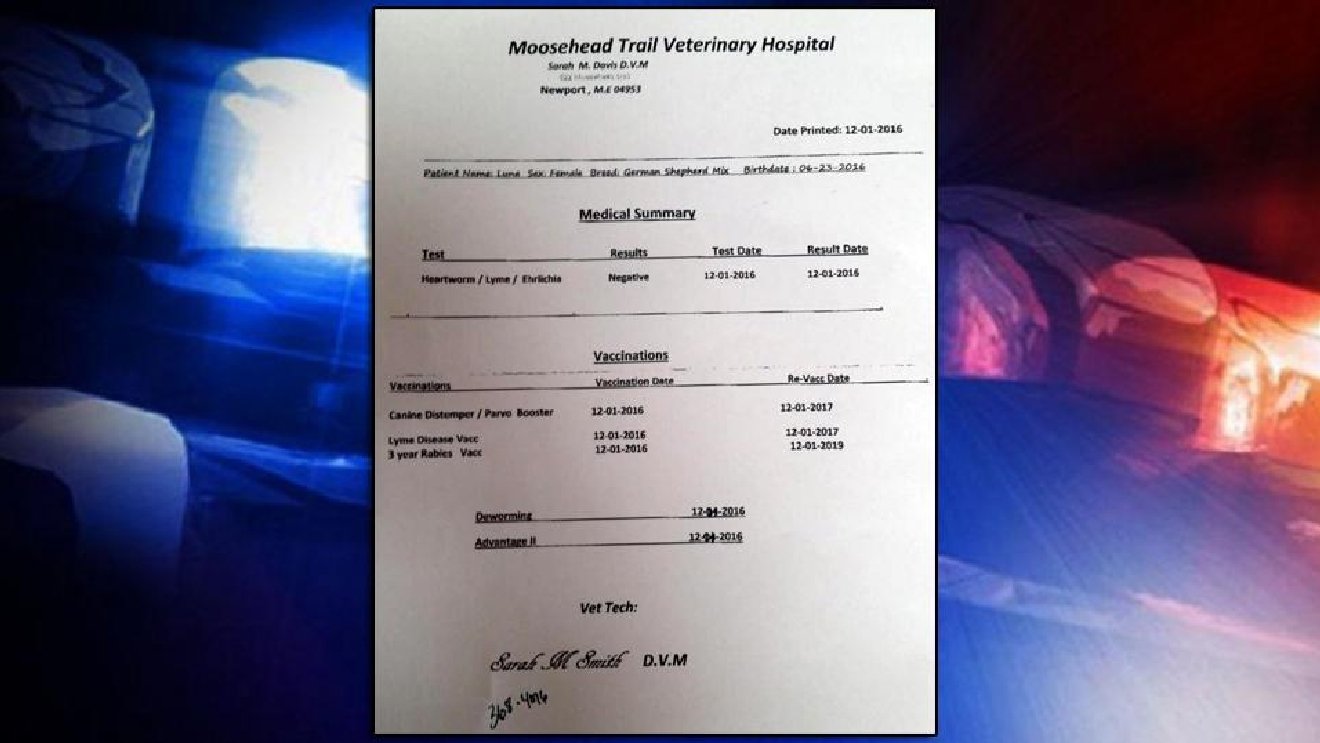
Fake Rabies Document, In today’s globalized world, travel is easier than ever, with more people venturing to different corners of the world for business, leisure, and humanitarian purposes. However, with the convenience of travel comes the responsibility of following health and safety regulations, especially when it comes to the spread of contagious diseases. Rabies, a viral disease that can be fatal if left untreated, is a major concern in many parts of the world. This has led many countries to implement strict regulations on rabies vaccinations for animals entering or leaving their borders.
In the midst of this, the rise of fake rabies documents has become a concerning issue. These fraudulent certificates, typically used to bypass vaccination requirements, pose a serious threat to public health. This article explores the dangers and consequences of using a fake rabies document, why such practices are harmful, and what actions are being taken to combat them.
What is a Fake Rabies Document?
A fake rabies document is a fraudulent certificate that falsely claims an animal, usually a pet, has been vaccinated against rabies. These documents are often forged by individuals or groups attempting to circumvent travel restrictions or import regulations that require proof of rabies vaccination for animals entering specific countries.
Rabies is a zoonotic disease, meaning it can be transmitted from animals to humans, often through bites or scratches. As a result, many nations, particularly those with low rabies prevalence, have strict rules about animals entering their territories. These rules are meant to reduce the risk of rabies outbreaks and to protect both humans and animals from the devastating effects of the disease.
A fake rabies document typically includes fabricated information such as a falsified vaccination date, a counterfeit signature from a veterinarian, or even a forged rabies vaccine batch number. These documents are often sold by unscrupulous individuals or companies that prey on travelers, pet owners, or breeders who are looking for a shortcut to avoid the costly or time-consuming process of legitimate vaccination.
The Dangers of Fake Rabies Documents
1. Public Health Risks
The most significant danger of using a fake rabies document is the potential for a rabies outbreak. Rabies is nearly always fatal once symptoms appear, and its transmission can lead to severe health complications or death. The falsification of rabies vaccination certificates compromises the safety of entire communities, as animals entering a country without proper vaccination may bring the virus with them.
Even in cases where the animal carrying the virus does not directly infect humans, the introduction of rabies into a new area can have far-reaching consequences. Local wildlife can become infected, leading to the spread of the disease and creating a public health crisis.
2. Legal Consequences
Using a fake rabies document is illegal in most countries, and individuals caught attempting to import an animal with a fraudulent certificate can face significant legal consequences. These may include hefty fines, imprisonment, or both. Moreover, the animal in question could be quarantined, euthanized, or denied entry into the country altogether.
Travelers and pet owners found guilty of submitting fake rabies documents may also face reputational damage, which could harm their future ability to travel or engage in business. In severe cases, individuals may be banned from bringing animals into certain countries for an extended period.
3. Ethical and Moral Implications
Falsifying rabies vaccination documents also raises ethical concerns. Pet owners who attempt to bypass vaccination requirements are not only endangering public health but also putting their own pets at risk. Rabies vaccines are essential for preventing a potentially fatal disease, and bypassing this critical step could result in the animal contracting the virus. In the worst-case scenario, the pet could suffer a slow, painful death.
Furthermore, by using a fake rabies document, individuals are undermining the efforts of responsible pet owners and organizations working to combat the spread of rabies and other infectious diseases. This behavior fosters a culture of dishonesty and puts vulnerable populations at greater risk.
The Response to Fake Rabies Documents
Countries around the world are taking steps to combat the growing issue of fake rabies documents. International organizations such as the World Health Organization (WHO) and the World Animal Health Organization (OIE) have been working to improve the standards for rabies control and prevention. This includes implementing stricter regulations for animal imports and requiring more stringent checks on rabies vaccination documentation.
In addition, technological advancements have made it more difficult to forge rabies certificates. Many countries are adopting digital systems to record rabies vaccination data, making it easier to track animals’ vaccination history and verify the authenticity of documents. These systems can cross-check vaccination records, batch numbers, and veterinary signatures to ensure that the documents provided are legitimate.
Furthermore, veterinarians and animal welfare organizations are becoming more vigilant in spotting fraudulent documents. Professionals in the field are educated about the risks associated with fake rabies documents and are encouraged to report any suspicious activity to the appropriate authorities.
How to Avoid Fake Rabies Documents
To avoid the dangers of fake rabies documents, pet owners should always take the following precautions:
- Ensure Vaccination Through Accredited Veterinarians: Only use licensed, reputable veterinarians who are authorized to issue valid rabies vaccination certificates. This helps ensure the authenticity of the document.
- Verify Documentation: If traveling internationally, always double-check the vaccination requirements for your destination country. Verify that the rabies certificate matches the guidelines set by the authorities.
- Avoid Using Unverified Services: Be wary of online services or third-party companies that offer to “fast-track” rabies certificates. These services may be fraudulent and put your pet and public health at risk.
- Report Suspicious Documents: If you suspect a fake rabies document, report it to local authorities or animal health organizations. By doing so, you can help protect public health and prevent further misuse.
Conclusion
The use of fake rabies documents is a serious issue that threatens both animal and human health. The practice undermines vaccination efforts and poses significant legal, ethical, and public health risks. It is essential for individuals to take the proper steps to ensure that their pets are vaccinated against rabies and that they follow the correct procedures for travel. By doing so, we can protect our communities and ensure that rabies remains a preventable and controllable disease.
You Might Also Like These:


Leave a comment
Your email address will not be published. Required fields are marked *